
Introduction
Chronic Kidney Disease (CKD) is a long-term health condition where the kidneys gradually lose their ability to filter waste and toxins from the blood. In Pakistan, CKD is becoming increasingly common due to rising cases of diabetes and high blood pressure. Early diagnosis and expert treatment are critical to slowing the disease progression and improving quality of life.Dr. Abad Ur Rehman Awan, a highly qualified MD Nephrologist in Lahore, offers specialized care for CKD patients. With his expertise, patients receive advanced, personalized, and compassionate management to preserve kidney function for as long as possible.
What is Chronic Kidney Disease (CKD)?
Chronic Kidney Disease refers to the gradual loss of kidney function over months or years. Healthy kidneys remove waste, balance electrolytes, and regulate blood pressure. In CKD, this ability weakens, leading to dangerous buildups of waste and fluid.
This condition often progresses silently, showing no symptoms until significant damage has occurred, which is why regular checkups with a nephrologist are vital.
Causes & Risk Factors
The leading causes of CKD include:
Diabetes Mellitus: High blood sugar damages kidney blood vessels.
Hypertension: Constant high blood pressure weakens kidney filtering capacity.
Glomerulonephritis: Inflammation of kidney’s filtering units.
Polycystic Kidney Disease: A hereditary condition causing cysts in kidneys.
Repeated UTIs & Kidney Stones: Long-term damage from untreated infections or stones.
Prolonged Medication Use: Overuse of painkillers or certain antibiotics can harm kidneys.
Risk Factors Family history of kidney disease, obesity, smoking, older age, and cardiovascular disease increase the chances of CKD.
Symptoms & Warning Signs
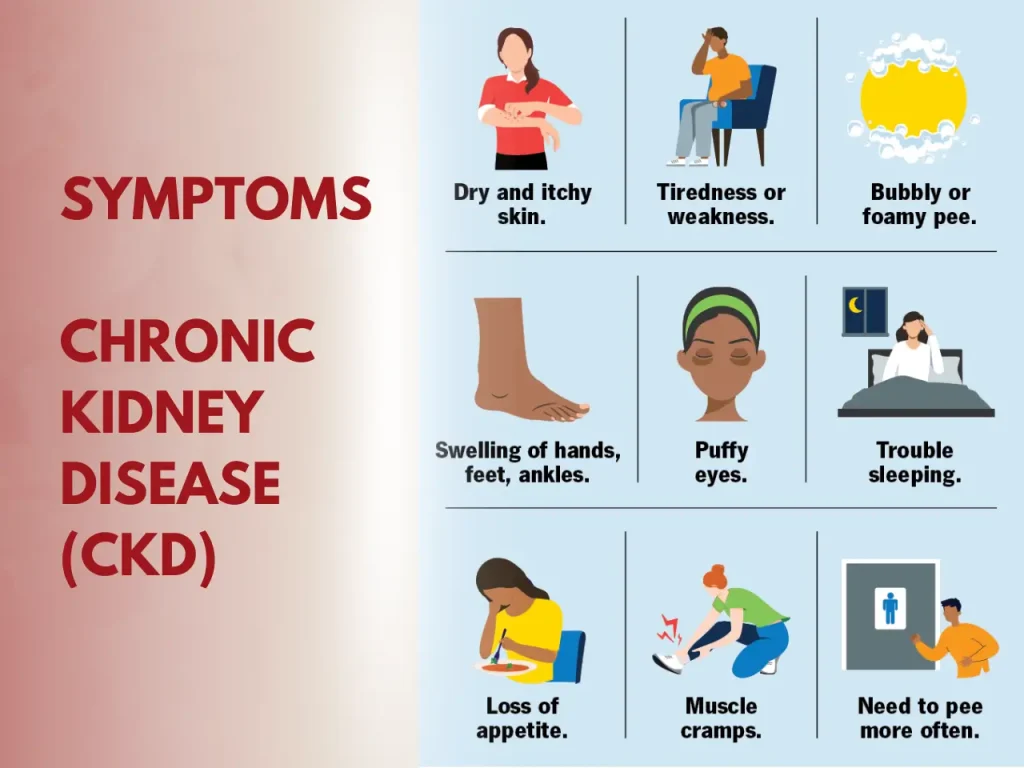
CKD develops slowly and may not cause symptoms in the early stages. Patients should seek medical attention if they experience:
Persistent fatigue and weakness
Swelling in feet, ankles, or face
Foamy or bloody urine
High blood pressure
Nausea, vomiting, or loss of appetite
Shortness of breath due to fluid buildup
Recognizing these warning signs early can save patients from progressing to end-stage renal disease (ESRD).
Diagnosis of Chronic Kidney Disease (CKD)
Dr. Abad Ur Rehman Awan uses advanced diagnostic methods to confirm CKD and its stage:
Blood Tests: Serum creatinine and estimated GFR (Glomerular Filtration Rate).
Urine Tests: Detect protein, blood, or abnormal waste levels.
Imaging: Ultrasound or CT scans to assess kidney size and structure.
Kidney Biopsy: In selected cases, a tissue sample helps identify the exact cause.
Accurate staging of CKD is essential for choosing the right treatment plan.
Treatment Options for Chronic Kidney Disease (CKD)
While CKD cannot usually be reversed, proper management can slow progression, reduce complications, and improve life expectancy. Dr. Abad provides:
Lifestyle & Dietary Guidance: Low-salt, kidney-friendly diets and fluid management.
Blood Pressure Control: Medications such as ACE inhibitors or ARBs.
Diabetes Management: Strict sugar control to prevent further kidney damage.
Medications: To manage anemia, bone health, and fluid retention.
Dialysis or Transplant Preparation: For advanced cases when kidney function declines severely.
Each patient receives a personalized treatment plan based on their condition and medical history.
WE TAKE CARE OF OUR PATIENTS
01.
Expert Nephrology Care
Dr. Abad Ur Rehman Awan provides specialized treatment for kidney diseases with years of medical expertise.
02.
Advanced Diagnostic Facilities
From kidney function tests to ultrasound and biopsy, modern tools ensure accurate diagnosis.
03.
Easy Appointment Access
Patients can book consultations by phone for quick and hassle-free scheduling.
FAQs Chronic Kidney Disease
CKD usually cannot be completely cured, but its progression can be slowed significantly with early diagnosis, lifestyle changes, and proper medical care.
Patients with CKD should limit salt, processed foods, red meat, and foods high in potassium and phosphorus. A nephrologist or dietitian can provide a customized diet plan.
The frequency depends on the CKD stage. In early stages, visits every 3–6 months are sufficient, while advanced stages may require monthly checkups.
CKD is gradual loss of function, while kidney failure (end-stage renal disease) is when the kidneys stop working completely and dialysis or transplant is needed.
Yes, many patients can delay dialysis for years if the condition is managed early with medications, diet, and lifestyle modifications.
Early CKD may not cause noticeable symptoms. Common first signs include swelling in ankles, foamy urine, and high blood pressure.
Certain kidney conditions like polycystic kidney disease are hereditary, but most CKD cases are due to diabetes, hypertension, or lifestyle factors.