

Introduction
Acute Kidney Injury (AKI), also known as Acute Renal Failure, is a sudden loss of kidney function that develops within hours or days. This condition is often triggered by severe infections, dehydration, medication side effects, or surgery complications. Unlike Chronic Kidney Disease (CKD), AKI can be reversed if treated quickly by a nephrologist.
Dr. Abad Ur Rehman Awan, a skilled MD Nephrologist in Lahore, provides specialized care for patients suffering from AKI. With rapid diagnosis, advanced treatments, and continuous monitoring, he helps restore kidney function and prevent long-term damage.
What is Acute Kidney Injury (AKI)?
Acute Kidney Injury occurs when the kidneys suddenly stop filtering waste products from the blood. This leads to dangerous fluid and electrolyte imbalances that can be life-threatening if untreated.
Unlike CKD, AKI is usually temporary and may be fully reversible if identified and treated promptly. However, if neglected, it can lead to chronic kidney disease or permanent kidney failure.
Causes & Risk Factors
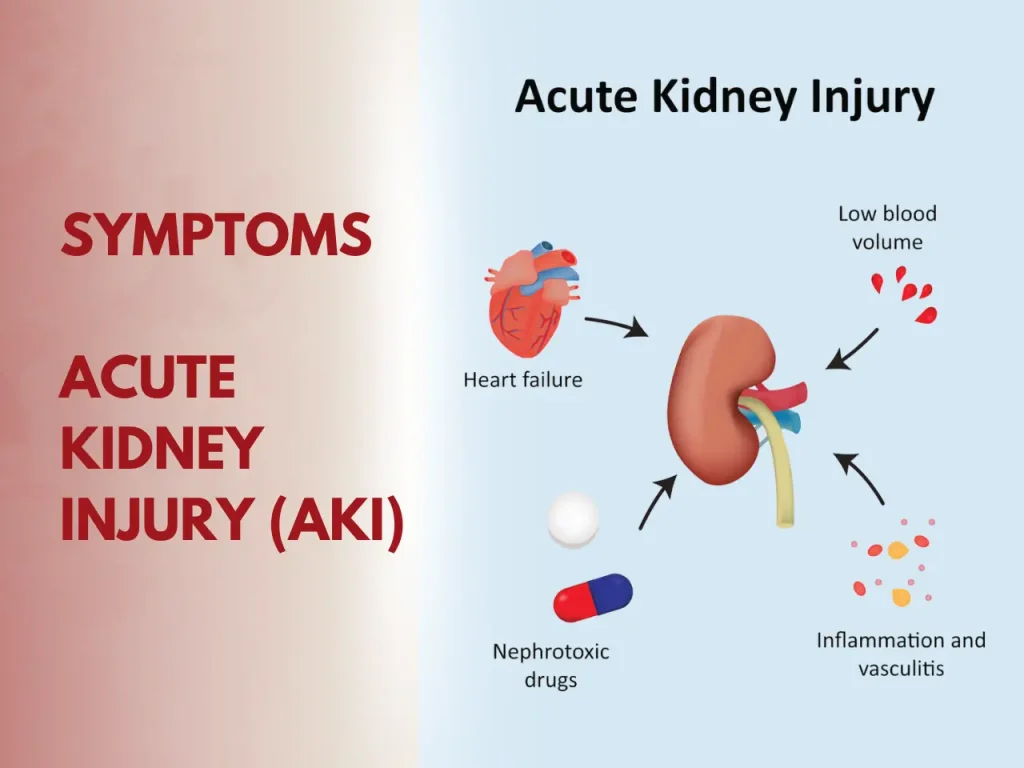
AKI is often a complication of other serious health issues. Common causes include:
Dehydration: Severe fluid loss from diarrhea, vomiting, or burns.
Infections: Sepsis and urinary tract infections can reduce kidney blood flow.
Medications: Painkillers, antibiotics, or contrast dyes used in imaging tests.
Obstructions: Kidney stones, enlarged prostate, or tumors blocking urine flow.
Heart & Liver Problems: Heart failure or liver disease can limit kidney perfusion.
Risk Factors: Older age, diabetes, hypertension, pre-existing kidney disease, major surgeries, and ICU admissions increase the chances of AKI.
Symptoms & Warning Signs
AKI may appear suddenly with the following symptoms:
Decreased urine output or sudden inability to urinate
Swelling in legs, ankles, or around the eyes
Shortness of breath and chest pain due to fluid buildup
Nausea, vomiting, or loss of appetite
Fatigue, confusion, or drowsiness
Irregular heartbeat due to electrolyte imbalance
Because AKI develops quickly, patients must seek urgent nephrology care as soon as symptoms arise.
Diagnosis of Acute Kidney Injury (AKI)
Dr. Abad Ur Rehman Awan performs a detailed evaluation to confirm AKI and its underlying cause. Diagnostic methods include:
Blood Tests: Creatinine, urea, and electrolyte levels.
Urine Tests: To check for protein, blood, or infection.
Imaging: Ultrasound or CT scan to detect blockages or structural issues.
Kidney Biopsy: In selected cases, to identify inflammation or damage.
Medical History: Reviewing medications, fluid intake, and recent illnesses.
Treatment Options for Acute Kidney Injury (AKI)
AKI requires rapid treatment to prevent complications. Dr. Abad offers:
Fluid Replacement Therapy: Correcting dehydration and restoring blood flow to kidneys.
Medications: To manage infections, control potassium, and stabilize blood pressure.
Dialysis: Temporary dialysis may be needed to remove waste and excess fluid until kidneys recover.
Removing Obstructions: Procedures to relieve blockages caused by stones or enlarged prostate.
Monitoring & Supportive Care: Continuous supervision in hospital for patients with severe AKI.
With timely care, most patients recover full kidney function.
WE TAKE CARE OF OUR PATIENTS
01.
Expert Nephrology Care
Dr. Abad Ur Rehman Awan provides specialized treatment for kidney diseases with years of medical expertise.
02.
Advanced Diagnostic Facilities
From kidney function tests to ultrasound and biopsy, modern tools ensure accurate diagnosis.
03.
Easy Appointment Access
Patients can book consultations by phone for quick and hassle-free scheduling.
FAQs Acute Kidney Injury
Yes, AKI is often reversible if treated promptly. Many patients regain normal kidney function within weeks, depending on the cause and severity.
Dehydration, infections, and medications are the leading causes. In hospitals, sepsis and surgery complications are major contributors.
AKI develops suddenly within hours or days and may be reversible, while CKD progresses slowly over months or years and is usually permanent.
Recovery time varies. Mild AKI can improve within a few days, while severe cases may require weeks to months of follow-up.
No. Dialysis is only required in severe cases when waste and fluid buildup are life-threatening. Many patients recover without dialysis.
If not treated, AKI can lead to permanent kidney damage, heart problems, electrolyte imbalance, or even death.
Patients with diabetes, hypertension, chronic kidney disease, older age, and those undergoing major surgery or ICU treatment are at higher risk.