
Introduction
Kidney stones are a common yet painful condition that can affect anyone at any age. These hard deposits of minerals and salts form inside the kidneys and can block the urinary tract, causing severe discomfort and complications if untreated.
Dr. Abad Ur Rehman Awan, a specialist MD Nephrologist in Lahore, provides expert care for the diagnosis, treatment, and prevention of kidney stones. His goal is to ensure quick relief, safe management, and guidance to prevent recurrence.
What are Kidney Stones?
Kidney stones (renal calculi) are solid crystalline deposits that form in the kidneys when certain substances in the urine, such as calcium, oxalate, and uric acid, become too concentrated. They may remain in the kidney or move into the ureter, where they cause intense pain and blockage.
Some kidney stones are small enough to pass naturally, while others require medical or surgical intervention.
Causes & Risk Factors
Kidney stones form due to multiple reasons, including:
Dehydration and low fluid intake
High salt, protein, or sugar diet
Family history of kidney stones
Obesity and sedentary lifestyle
Recurrent urinary tract infections
Medical conditions like gout and hyperparathyroidism
Certain medications or supplements (e.g., calcium-based antacids)
Risk factors: Men between ages 30–60, individuals with diabetes, and those living in hot climates are at higher risk.
Symptoms & Warning Signs
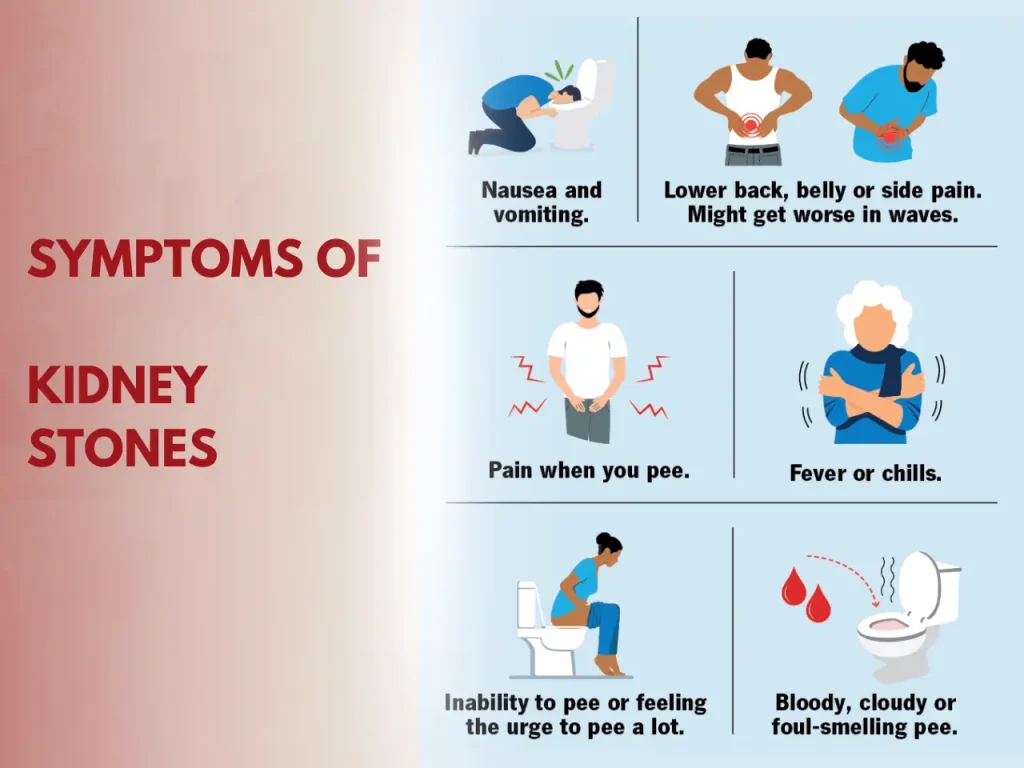
Kidney stones can cause sudden, sharp pain and urinary symptoms such as:
Severe pain in the back, side, or lower abdomen (renal colic)
Pain that radiates to the groin
Frequent urge to urinate but passing only small amounts
Blood in urine (hematuria)
Cloudy or foul-smelling urine
Nausea and vomiting
Fever and chills (if infection develops)
Diagnosis of Kidney Stones
Dr. Abad uses advanced diagnostic tools to detect kidney stones and assess their size and location:
Imaging Tests: Ultrasound, X-ray, or CT scan
Urine Analysis: Detects crystals, blood, or infection
Blood Tests: Check calcium, uric acid, and kidney function
Stone Analysis: In cases where a stone is passed or removed
Treatment Options for Kidney Stones
Conservative Management
Increased fluid intake to flush out small stones
Pain-relieving medications
Alpha-blockers to relax ureter muscles and aid stone passage
Medical Procedures
Extracorporeal Shock Wave Lithotripsy (ESWL): Non-invasive method using sound waves to break stones.
Ureteroscopy: Endoscopic removal of stones through the urinary tract.
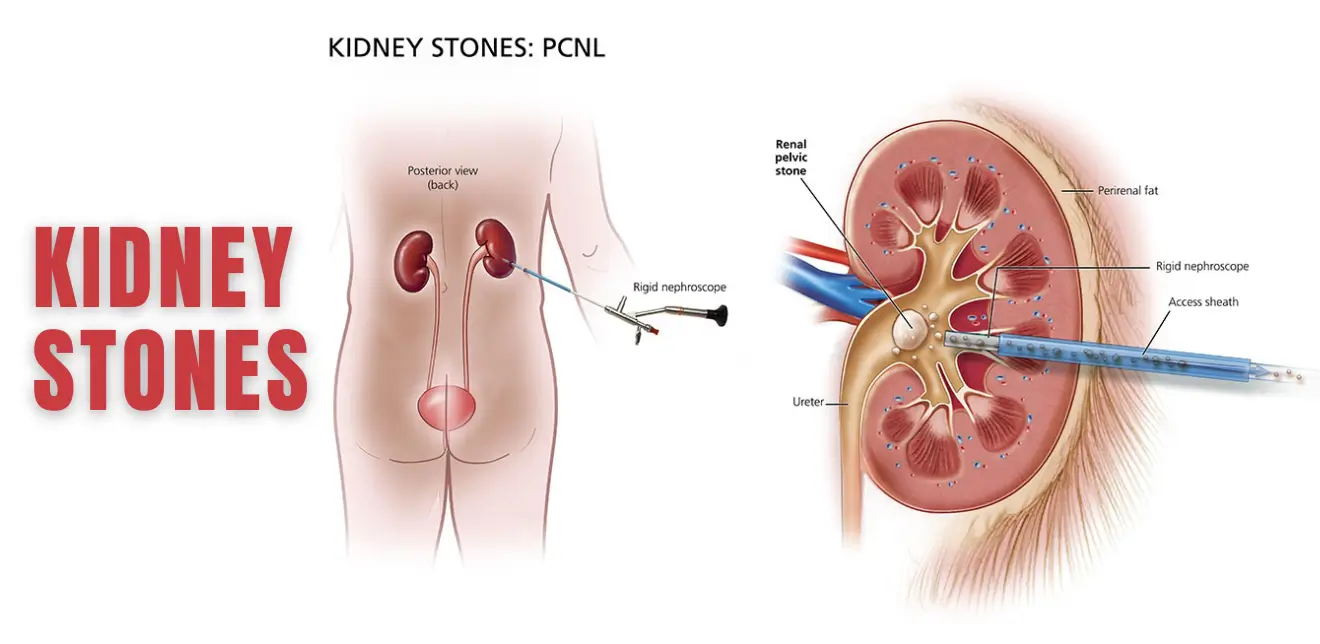
Percutaneous Nephrolithotomy (PCNL): Minimally invasive surgery for large or complex stones.
Prevention Guidance
Dr. Abad provides personalized advice on diet, hydration, and lifestyle changes to minimize recurrence.
WE TAKE CARE OF OUR PATIENTS
01.
Expert Nephrology Care
Dr. Abad Ur Rehman Awan provides specialized treatment for kidney diseases with years of medical expertise.
02.
Advanced Diagnostic Facilities
From kidney function tests to ultrasound and biopsy, modern tools ensure accurate diagnosis.
03.
Easy Appointment Access
Patients can book consultations by phone for quick and hassle-free scheduling.
FAQs Kidney Stone Management
Small stones (less than 5 mm) often pass naturally with increased fluids and medications. Larger stones usually require medical intervention.
Kidney stone pain, known as renal colic, is considered one of the most severe types of pain, often compared to childbirth pain.
Pain relief medications, hydration, and in some cases, alpha-blockers help. For severe pain, hospital-based treatment is necessary.
Some uric acid stones may be dissolved with medications that alkalize urine, but calcium-based stones usually require other treatments.
Small stones may pass within days to weeks. The duration depends on stone size, location, and patient’s health.
No. Many stones pass naturally or with minimal intervention. Surgery is reserved for large, recurrent, or obstructive stones.
Drinking plenty of water, reducing salt and protein intake, and following a balanced diet are key preventive steps. Patients with recurrent stones may need medications or specific dietary plans.