
Introduction
When kidneys fail to remove waste and excess fluids from the body, dialysis becomes a life-saving treatment. Dialysis replicates some of the kidney’s functions, helping patients with advanced kidney disease maintain balance and quality of life.
Dr. Abad Ur Rehman Awan, a highly experienced MD Nephrologist in Lahore, provides comprehensive dialysis care including Hemodialysis and Peritoneal Dialysis with strict safety protocols and patient comfort as the top priority.
What is Dialysis?
Dialysis is a medical procedure that filters toxins, waste, and excess water from the blood when kidneys can no longer perform this function effectively. It not only helps control blood pressure but also balances electrolytes such as potassium and sodium.
There are two main types:
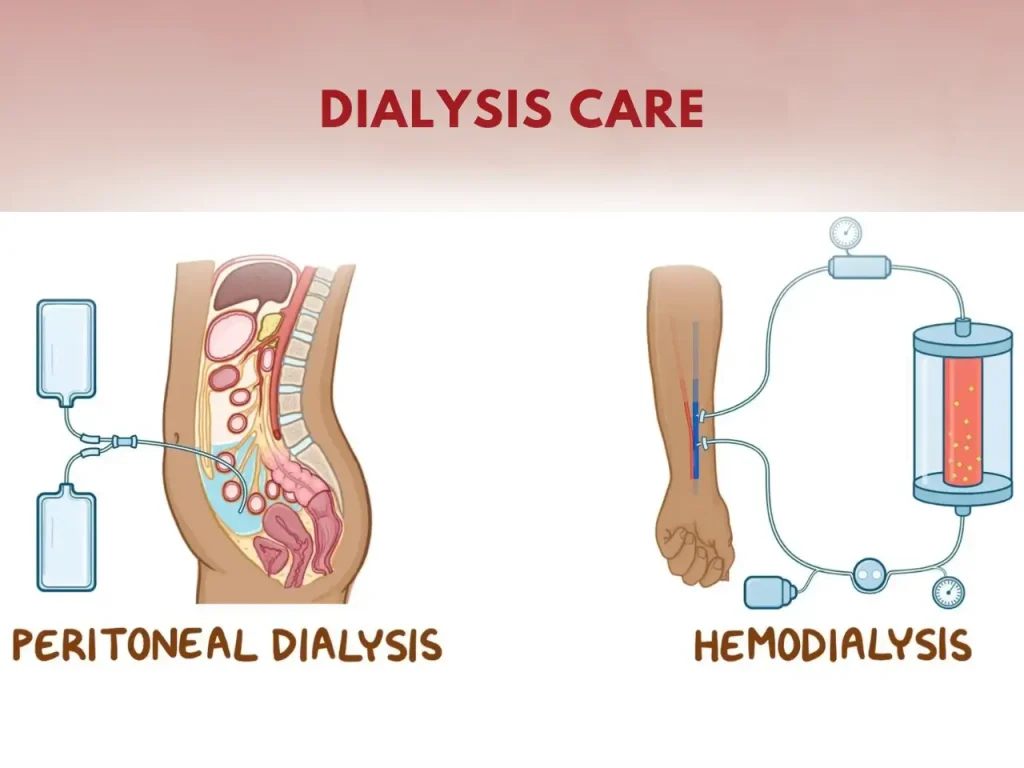
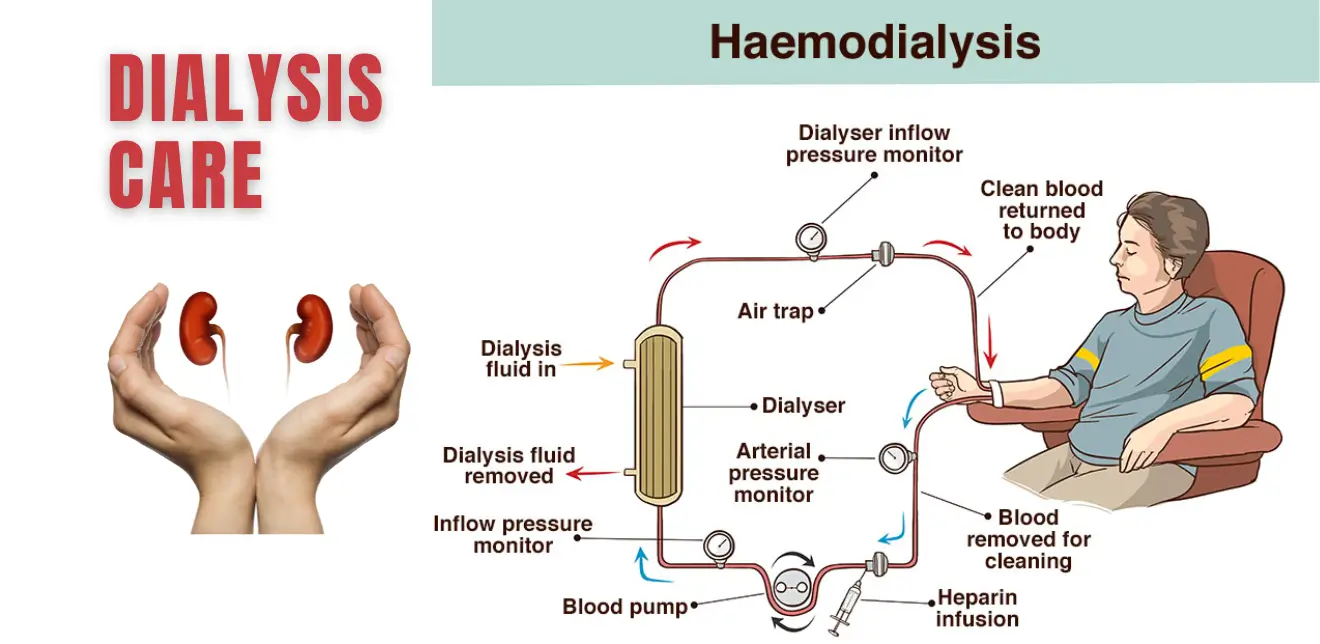
Hemodialysis: Blood is filtered using a dialysis machine and special filter (dialyzer).
Peritoneal Dialysis: Uses the lining of the abdomen (peritoneum) to filter blood inside the body with dialysis fluid.
Causes & Risk Factors
Dialysis is recommended for patients with:
End-Stage Renal Disease (ESRD)
Severe Chronic Kidney Disease (CKD) stage 5
Acute Kidney Injury (when recovery is delayed)
Life-threatening electrolyte imbalances
Severe fluid overload (swelling, breathlessness, heart strain)
Symptoms & Warning Signs
Patients may require dialysis if they experience:
Severe swelling in feet, ankles, or lungs
Shortness of breath and chest discomfort
Persistent nausea and vomiting
Extreme fatigue and weakness
Confusion or reduced alertness
Irregular heartbeat due to potassium imbalance
Diagnosis Before Dialysis
Before starting dialysis, Dr. Abad evaluates patients through:
Blood Tests: Creatinine, BUN, and electrolytes
GFR Measurement: To assess kidney filtering ability
Urine Output Monitoring
Imaging Studies: Ultrasound to check kidney structure
Access Site Planning: For fistula or catheter placement in hemodialysis
Treatment Options for Dialysis Care
Hemodialysis
Performed at a dialysis center under expert supervision
Blood circulates through a machine that removes toxins and extra fluids
Typically 3 sessions per week, each lasting 3–5 hours
Peritoneal Dialysis
Can be performed at home after training
Special fluid introduced into the abdominal cavity to filter blood
Less time-consuming, more independence for patients
Dr. Abad guides each patient in choosing the best dialysis method based on their condition, lifestyle, and long-term treatment goals.
WE TAKE CARE OF OUR PATIENTS
01.
Expert Nephrology Care
Dr. Abad Ur Rehman Awan provides specialized treatment for kidney diseases with years of medical expertise.
02.
Advanced Diagnostic Facilities
From kidney function tests to ultrasound and biopsy, modern tools ensure accurate diagnosis.
03.
Easy Appointment Access
Patients can book consultations by phone for quick and hassle-free scheduling.
FAQs Dialysis Care
Your nephrologist will recommend dialysis if your kidneys have lost most of their filtering function and blood tests show dangerously high toxin levels.
Not always. Some patients with Acute Kidney Injury may need dialysis temporarily until kidneys recover. In CKD or ESRD, it may be long-term unless a transplant is done.
Both are effective. Hemodialysis is usually done in hospitals, while peritoneal dialysis offers more independence at home. Dr. Abad helps patients choose based on their condition.
Hemodialysis usually takes 3–5 hours, three times a week. Peritoneal dialysis may be done daily at home in shorter cycles.
Yes. With proper treatment, diet, and lifestyle modifications, dialysis patients can live active, fulfilling lives.
Patients may feel mild discomfort during needle insertion in hemodialysis. Peritoneal dialysis is generally painless once the catheter is placed.
If kidney disease is detected early and managed well, dialysis can be delayed for years. However, in advanced kidney failure, it becomes necessary.