
Introduction
Hypertension (high blood pressure) is one of the most common health problems worldwide, and it is closely linked with kidney function. Uncontrolled blood pressure can damage the kidneys, while kidney disease itself can cause hypertension. This cycle makes specialized nephrology care essential.
Dr. Abad Ur Rehman Awan, a leading MD Nephrologist in Lahore, provides expert evaluation and management of blood pressure disorders, helping patients protect both their kidney health and overall well-being.
What is Hypertension in Kidney Patients?
Hypertension occurs when the force of blood against the arteries is consistently too high. In patients with kidney problems, hypertension is both a cause and a complication of kidney disease.
Cause: High blood pressure damages kidney blood vessels, reducing their ability to filter waste.
Effect: Diseased kidneys cannot regulate blood pressure, making it rise further.
This two-way relationship is why nephrologists play a critical role in managing hypertension effectively.
Causes & Risk Factors
Hypertension in kidney patients can be due to:
Chronic Kidney Disease (CKD)
Excessive salt intake and poor diet
Obesity and lack of physical activity
Diabetes and metabolic syndrome
Genetic predisposition
Hormonal imbalances or adrenal gland disorders.
Risk factors: Age above 40, family history of hypertension, smoking, stress, and uncontrolled diabetes.
Symptoms & Warning Signs
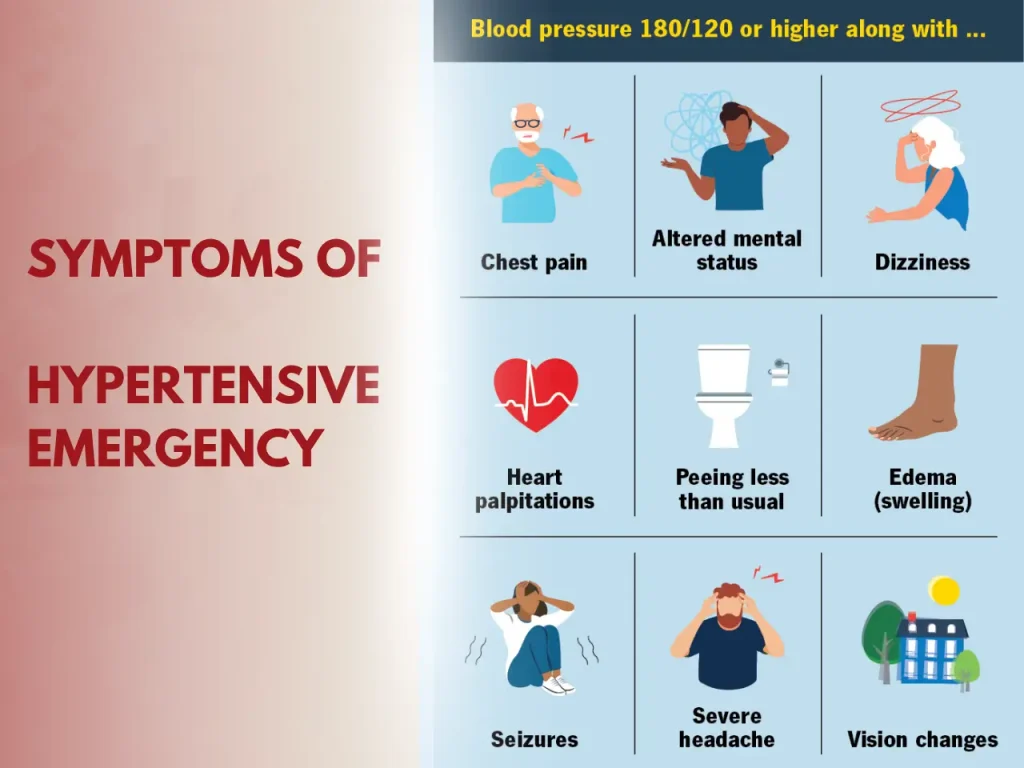
High blood pressure is often called the “silent killer” because it may not show symptoms until severe damage occurs. However, some patients may experience:
Persistent headaches
Blurred vision
Shortness of breath
Dizziness or chest pain
Irregular heartbeat
Fatigue or confusion
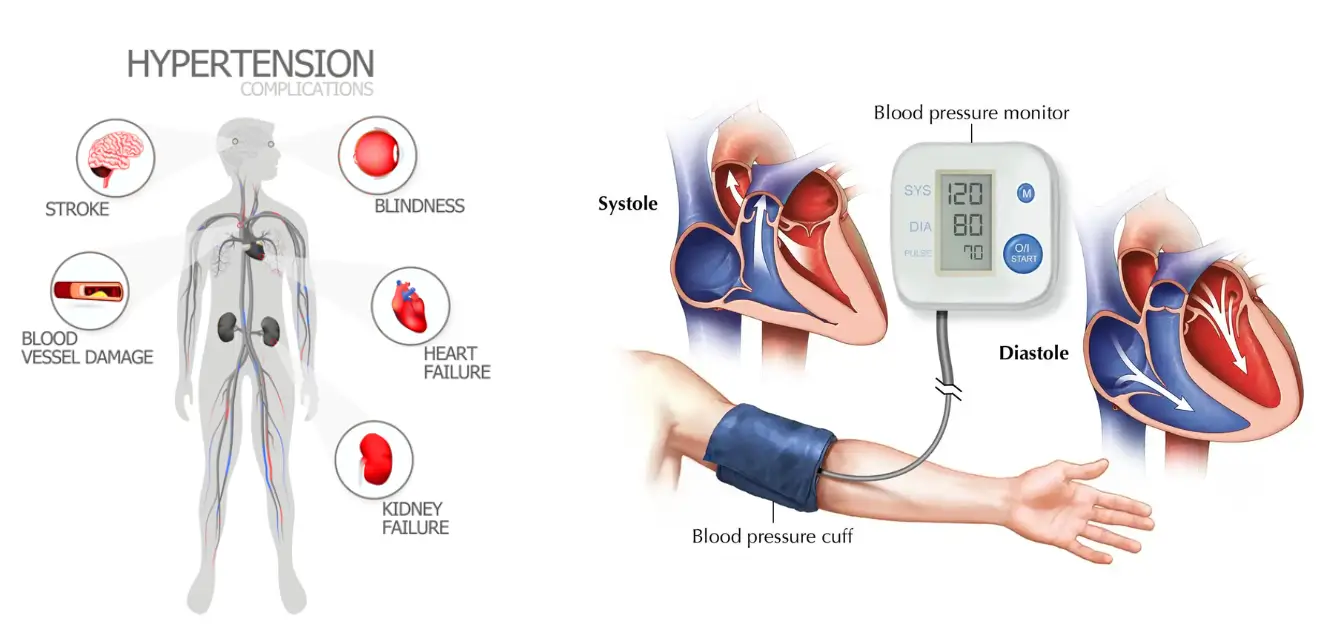
If left untreated, hypertension can lead to stroke, heart attack, and permanent kidney damage.
Diagnosis of Hypertension
Dr. Abad performs a thorough evaluation to confirm and classify hypertension:
Blood Pressure Monitoring: Repeated measurements, sometimes 24-hour monitoring.
Blood Tests: To assess kidney function, electrolytes, and hormones.
Urine Tests: Checking for protein and kidney damage indicators.
Imaging: Ultrasound or Doppler scans to check kidney blood vessels.
Medical History Review: Medications, lifestyle, and family history.
Treatment Options for Hypertension
Lifestyle Modifications
Low-salt, kidney-friendly diet
Weight management and regular exercise
Limiting alcohol and quitting smoking
Stress management techniques
Medications
ACE inhibitors & ARBs: Protect both kidneys and blood pressure.
Diuretics: Reduce fluid overload and swelling.
Calcium Channel Blockers & Beta Blockers: Control heart rate and pressure.
Kidney-Focused Management
Monitoring kidney function alongside blood pressure
Adjusting treatment plans for CKD or dialysis patients
Early referral for transplant evaluation if required
WE TAKE CARE OF OUR PATIENTS
01.
Expert Nephrology Care
Dr. Abad Ur Rehman Awan provides specialized treatment for kidney diseases with years of medical expertise.
02.
Advanced Diagnostic Facilities
From kidney function tests to ultrasound and biopsy, modern tools ensure accurate diagnosis.
03.
Easy Appointment Access
Patients can book consultations by phone for quick and hassle-free scheduling.
FAQs Hypertension
Hypertension damages kidney blood vessels, reducing their ability to filter waste, which can lead to Chronic Kidney Disease (CKD).
Yes. When kidneys are diseased, they cannot regulate blood pressure properly, often causing secondary hypertension.
Treatment includes a low-salt diet, lifestyle changes, and kidney-protective medications such as ACE inhibitors and ARBs.
In early stages, lifestyle changes like diet control, exercise, and weight loss can help. However, many patients still require medications.
Yes. Kidney-related hypertension is harder to control and often requires specialized nephrology care.
Yes. Many dialysis patients continue to have hypertension due to fluid overload or hormonal imbalances, which require close monitoring.
Regular check-ups, a low-salt diet, proper hydration, diabetes control, and following your nephrologist’s advice are the best preventive steps.