

Introduction
Urinary Tract Infections (UTIs) are one of the most common medical conditions, affecting millions of people worldwide every year. If left untreated, UTIs can lead to recurrent infections, kidney damage, or sepsis in severe cases. Specialized nephrology care ensures that these infections are not only treated but also prevented from recurring.
Dr. Abad Ur Rehman Awan, an experienced MD Nephrologist in Lahore, provides expert care for UTIs and other urinary tract disorders. His approach combines accurate diagnosis, effective treatment, and preventive counseling to ensure long-term urinary health.
What are UTIs and Urinary Tract Disorders?
A UTI occurs when bacteria enter the urinary tract, causing infection in the bladder, urethra, or kidneys. While most UTIs affect the lower urinary tract, untreated cases can spread to the kidneys and become more serious.
Other urinary tract disorders include recurrent UTIs, urinary incontinence, bladder dysfunction, and structural abnormalities.
Causes & Risk Factors
UTIs are caused mainly by bacteria such as E. coli, but several factors increase the risk:
Poor hydration and infrequent urination
Poor hygiene or use of contaminated catheters
Kidney stones or urinary tract blockages
Enlarged prostate in men
Diabetes and weakened immune system
Pregnancy or hormonal changes in women
Family history of urinary tract problems
Risk groups: Women, elderly patients, and individuals with chronic kidney disease are more prone to frequent UTIs.
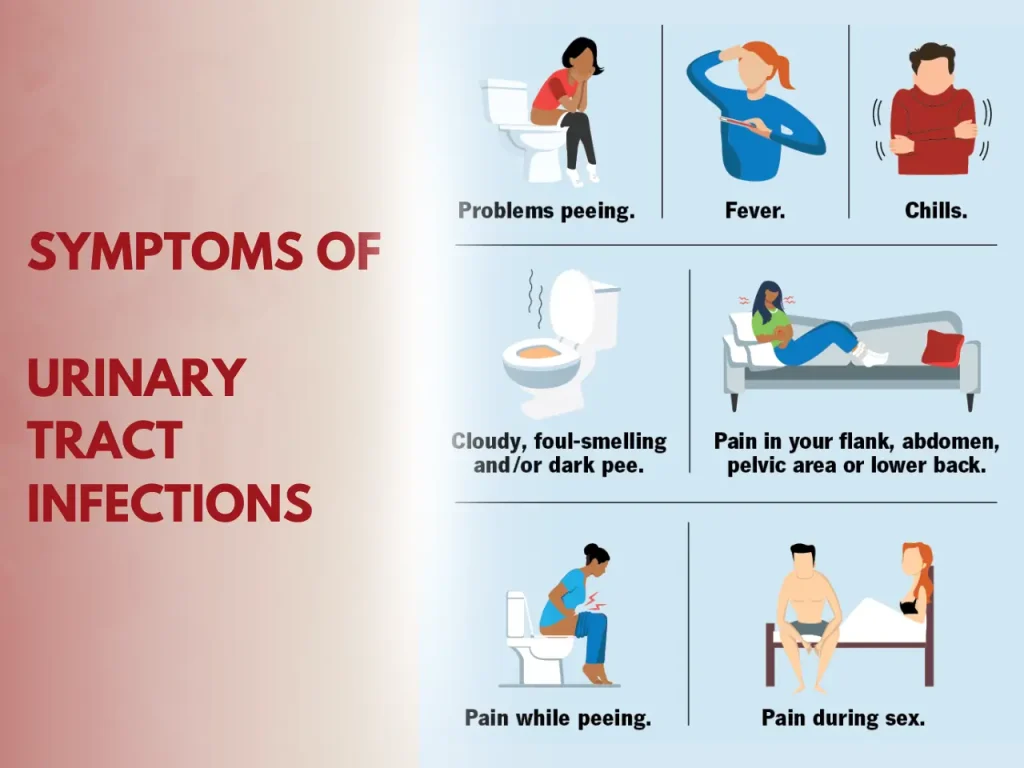
Symptoms & Warning Signs
Typical symptoms of UTIs and urinary tract disorders include:
Burning sensation during urination
Frequent urge to urinate with little output
Cloudy, foul-smelling, or bloody urine
Pelvic or lower abdominal pain
Fever, chills, and back pain (if infection reaches kidneys)
Urinary leakage or incontinence (in structural disorders)
Diagnosis of Urinary Tract Infections & Disorders
Dr. Abad uses modern diagnostic tools to accurately identify urinary infections and underlying causes:
Urine Tests: Urinalysis and urine culture to detect infection and bacteria type
Blood Tests: To check kidney function in recurrent or severe cases
Imaging Studies: Ultrasound or CT scan to detect blockages, stones, or structural problems
Cystoscopy: In chronic or recurrent infections, a camera may be used to visualize the bladder
Treatment Options for Urinary Tract Infections & Disorders
Medical Management
Antibiotic therapy tailored to the infection type
Pain relief and anti-inflammatory medications
Hydration therapy to flush bacteria
Procedural / Surgical Management
Stone removal in case of obstruction
Prostate treatment in men with urinary blockage
Correction of structural abnormalities in bladder/urethra
Preventive Strategies
Lifestyle and hygiene counseling
Regular follow-up for patients with recurrent UTIs
Dietary advice for kidney and urinary health
WE TAKE CARE OF OUR PATIENTS
01.
Expert Nephrology Care
Dr. Abad Ur Rehman Awan provides specialized treatment for kidney diseases with years of medical expertise.
02.
Advanced Diagnostic Facilities
From kidney function tests to ultrasound and biopsy, modern tools ensure accurate diagnosis.
03.
Easy Appointment Access
Patients can book consultations by phone for quick and hassle-free scheduling.
FAQs Chronic Kidney Disease
Prompt antibiotic therapy prescribed by a doctor, along with increased fluid intake, is the fastest way to treat a UTI.
Mild UTIs may sometimes resolve, but most require antibiotics. Untreated UTIs can spread to the kidneys and cause serious complications.
Recurrent infections may be due to kidney stones, blockages, poor hygiene, or medical conditions like diabetes. A nephrologist can identify and treat the cause.
Yes. Women are more prone due to a shorter urethra, making it easier for bacteria to enter the bladder.
Yes. If untreated, UTIs can spread to the kidneys, causing pyelonephritis, which is a serious condition requiring urgent treatment.
Drinking plenty of water, urinating frequently, maintaining good hygiene, and avoiding excessive use of perfumed products can help.
If UTIs are recurrent, associated with fever or kidney pain, or occur alongside chronic diseases like diabetes or CKD, immediate nephrology consultation is recommended.